A Story Woven Through Time
Discover the centuries of quiet beauty and whispered history that make Wroxall Abbey more than a destination - it is a place where time lingers, and stories endure.
A sanctuary where history lives and breathes.
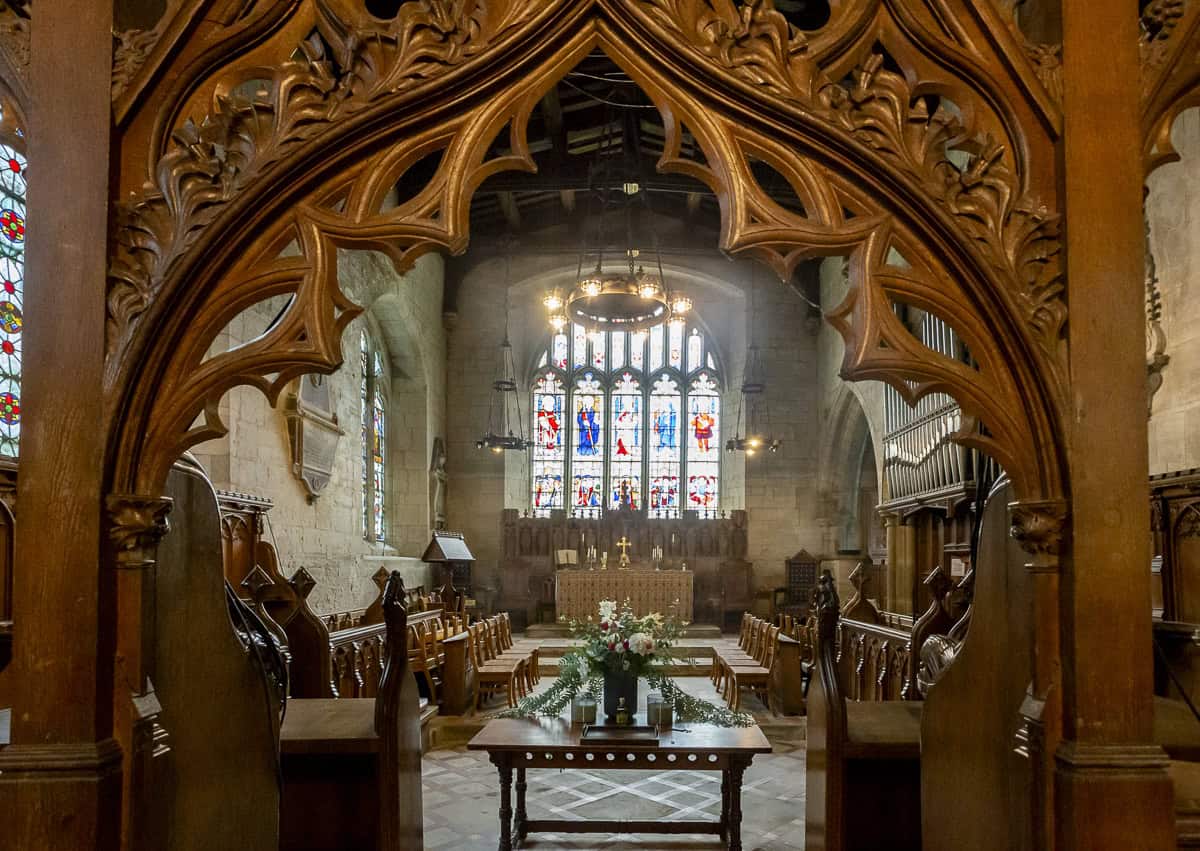
The tale begins in 1141, when a nobleman named Hugh de Hatton returned from the Crusades and devoted over 3,000 acres to founding a priory in honour of St Leonard — a sacred place of devotion, reflection, and sanctuary. The Church of St Leonard still stands today, its ancient stone walls holding echoes of faith and resilience that have shaped this land for nearly a millennium.
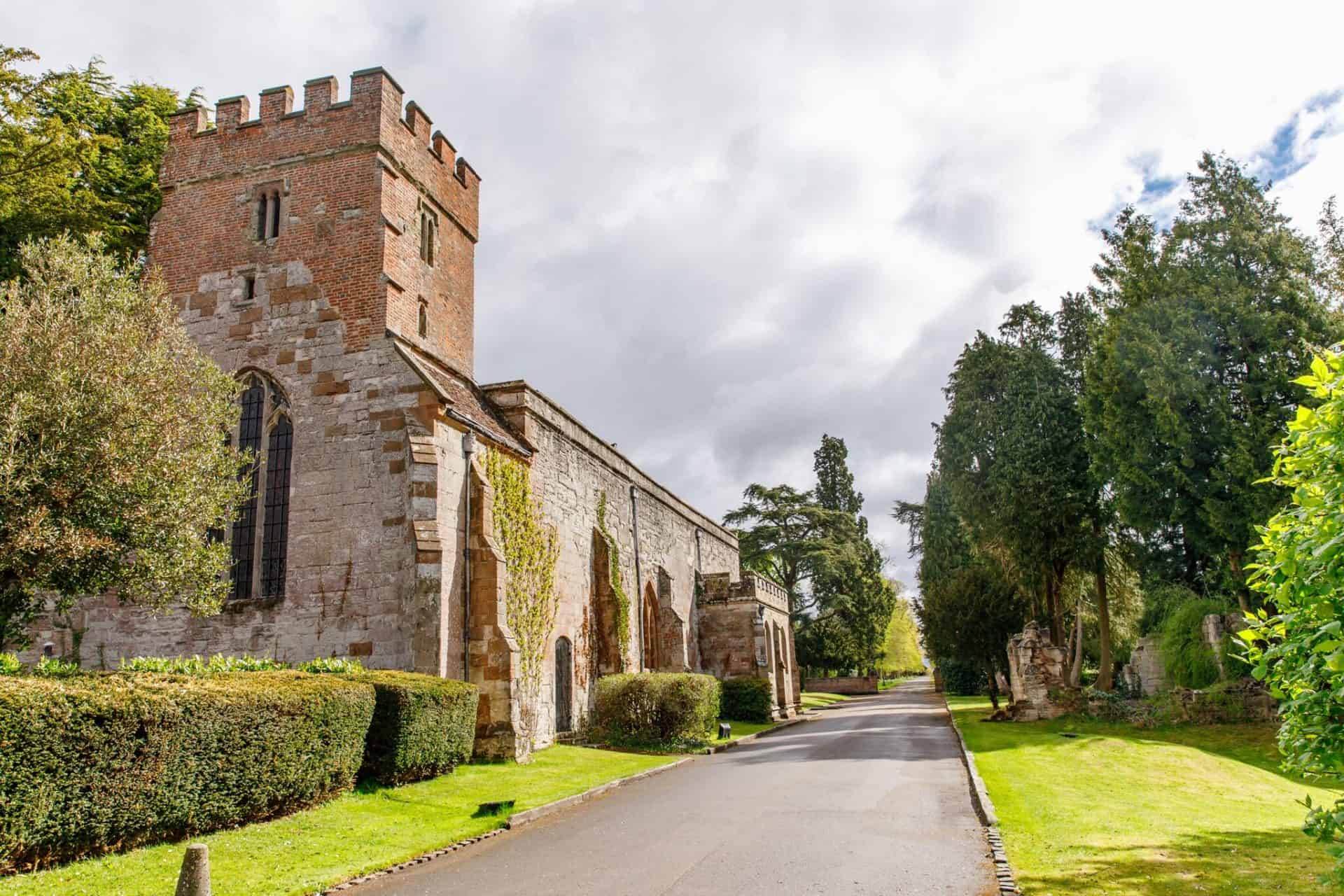
Through the centuries, Wroxall has been touched by remarkable lives — from Benedictine prioresses and a subtle connection to William Shakespeare, to the architectural legacy of Christopher Wren, whose elegant red-brick bell tower and winding garden walls still grace the estate. Today, lovingly restored, Wroxall Abbey Hotel invites you to step into its story.
The History of Wroxall Abbey
The Foundation
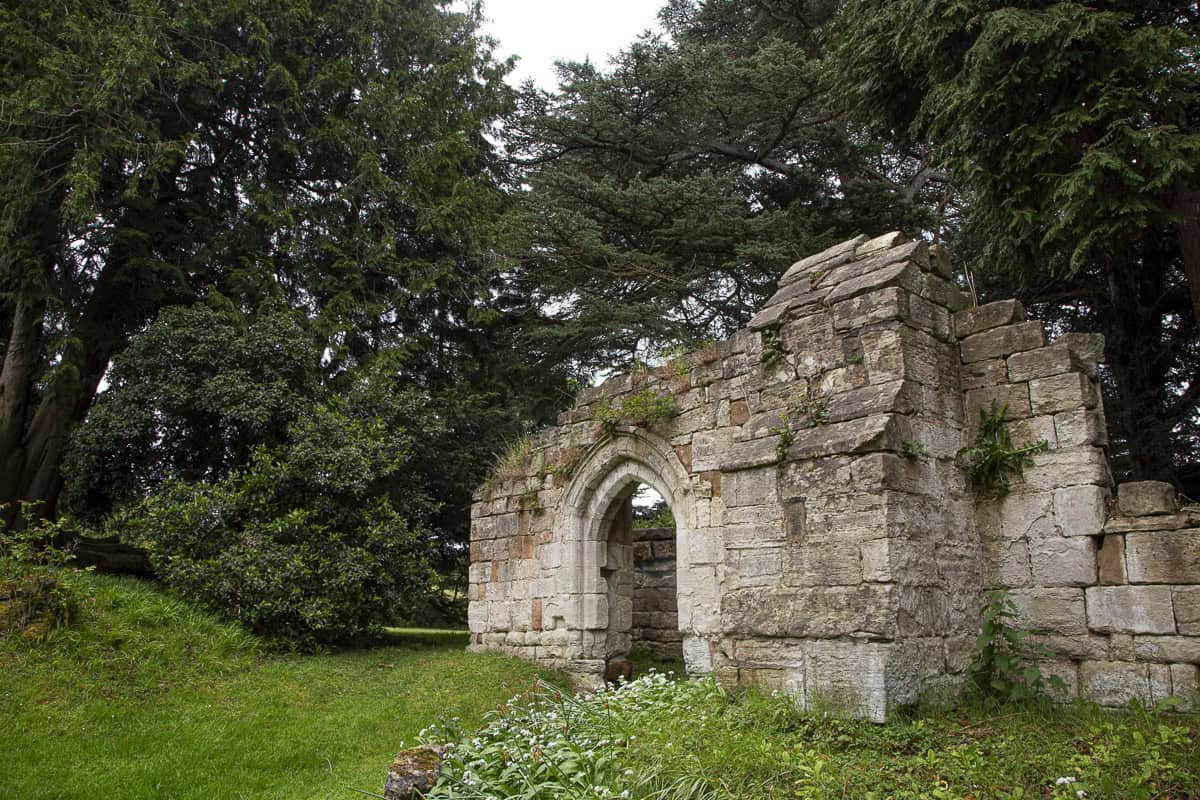
Hugh de Hatton, a nobleman returning from the Crusades, founded a priory dedicated to St Leonard on this sacred Warwickshire land. The Church of St Leonard – the last surviving remnant of that ancient priory – stands to this day, its stained-glass windows still telling Hugh’s remarkable story.
The Wren Era
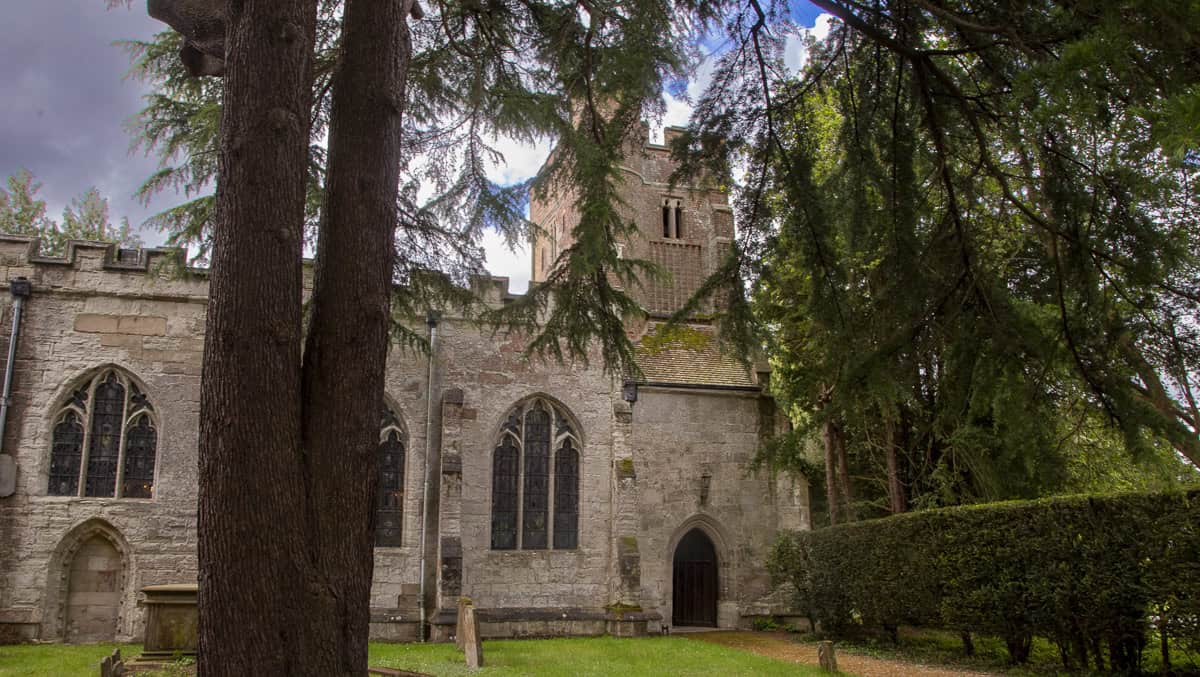
The estate passed into the hands of renowned architect Christopher Wren, whose influence can still be felt in the elegant red-brick bell tower and the charming winding garden walls he is believed to have created. His family rests peacefully in the churchyard, forever woven into the Abbey’s story.
A Living Legacy
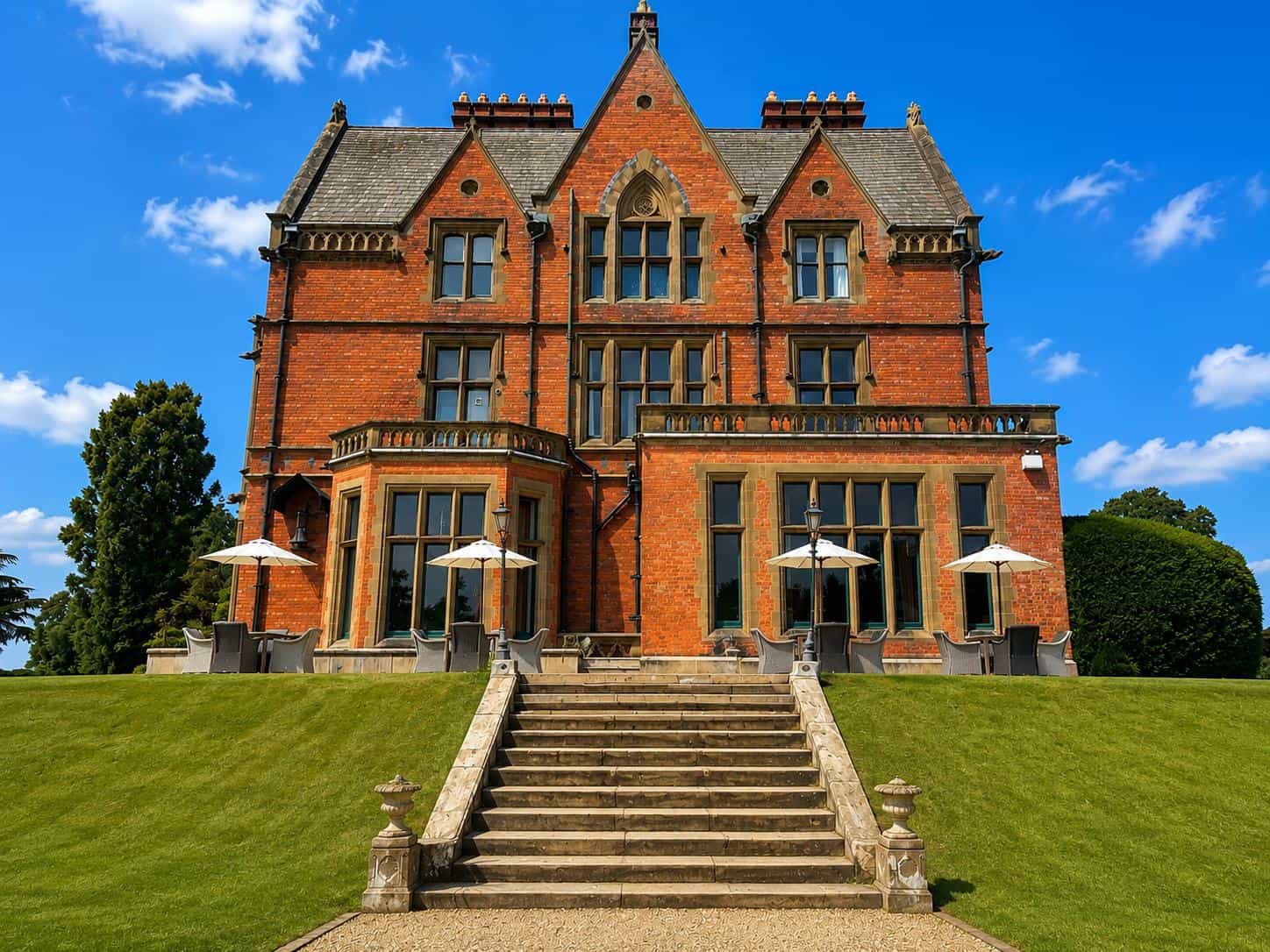
Built in 1865 and later brought to life as a girls’ school, the Abbey’s halls have echoed with centuries of voices. Today, lovingly restored, Wroxall Abbey Hotel stands as a place where history is not simply remembered — it is felt in every stone, every garden path, and every moment of stillness.
What Our Guests Say
"An absolute jewel in the English countryside. The attention to detail is unsurpassed, and the staff make you feel like royalty without the pretension."